


We develop models and prototypes through a co-design process that integrates rapid prototyping, simulation, and technical validation prior to final production.
Castize transforms technical drawings and physical components into 3D models optimized for precision casting and industrial production. Through rapid sand prototyping, NDT inspections, and iterative development processes, we validate each solution while reducing risks, lead times, and costs.
A flexible design approach that integrates modeling, casting techniques, and functional verification throughout the entire process.
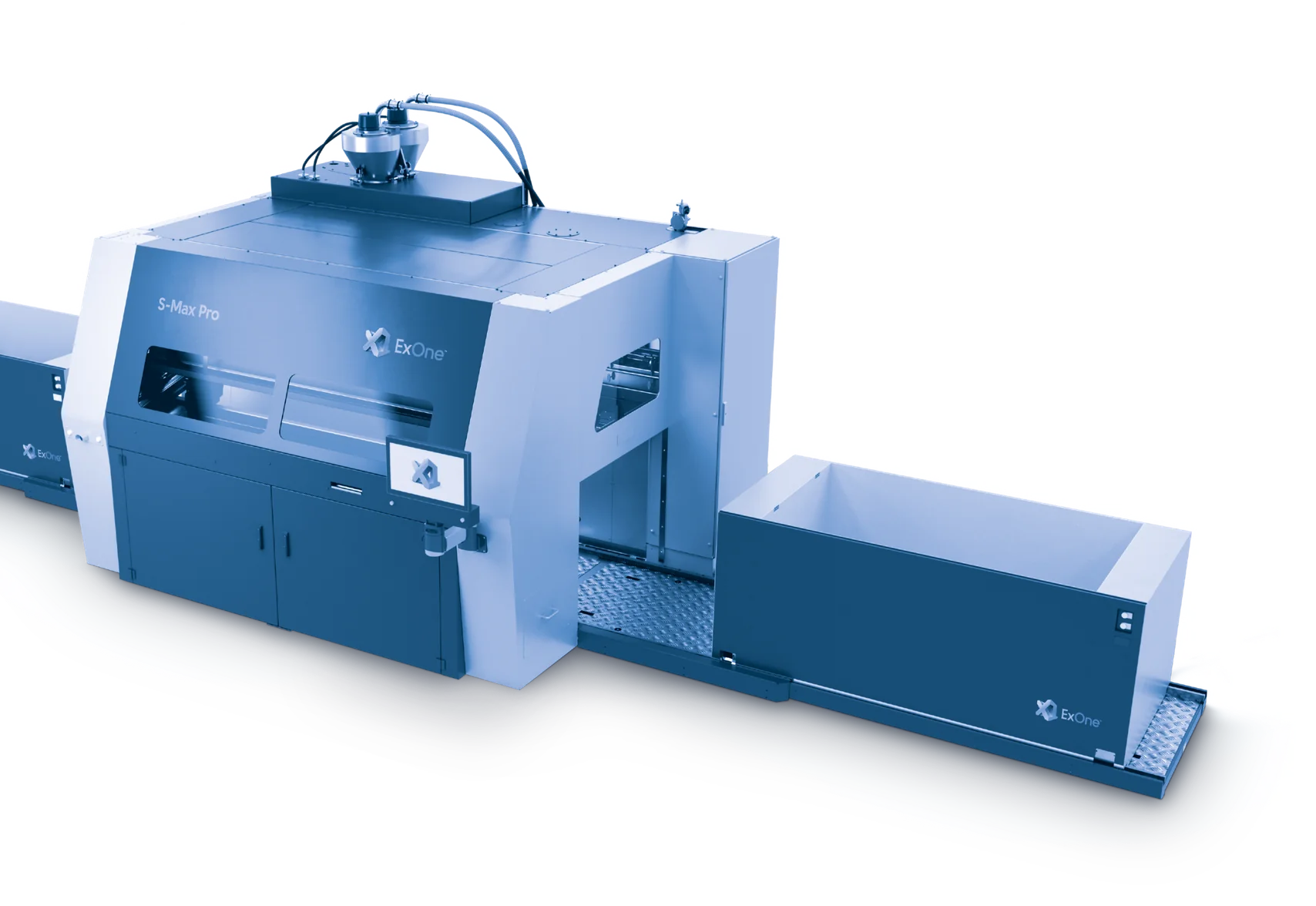
We have an ExOne S-MaxPro 3D printer on-site for the production of cores and sand molds.
With two work areas measuring 1800×1000×700 mm, we produce complex geometries in both small and large production runs, offering flexibility, precision, and fast turnaround times—even beyond the print volume.
The pre-casting ramp-up allows for the validation of the design, materials, and process before the final start of production. This incremental approach reduces risks, optimizes timelines, and enables precise adjustments before production begins.
The casting phase is the project's first real-world test. We produce Rapid Casting prototypes under production-like conditions to validate materials and processes quickly, before the actual casting takes place.
After each casting, the finished part is carefully analyzed using non-destructive testing, which allows us to validate our design choices and precisely identify any areas for improvement.
Based on the results, we make targeted changes to the model or process. The entire cycle repeats as long as necessary, allowing us to refine every detail so that we can progressively align with our objectives.
Non-destructive testing (NDT) is essential for validating prototypes without compromising their integrity. It allows for the detection of internal or surface defects and ensures the quality of the part before mass production.
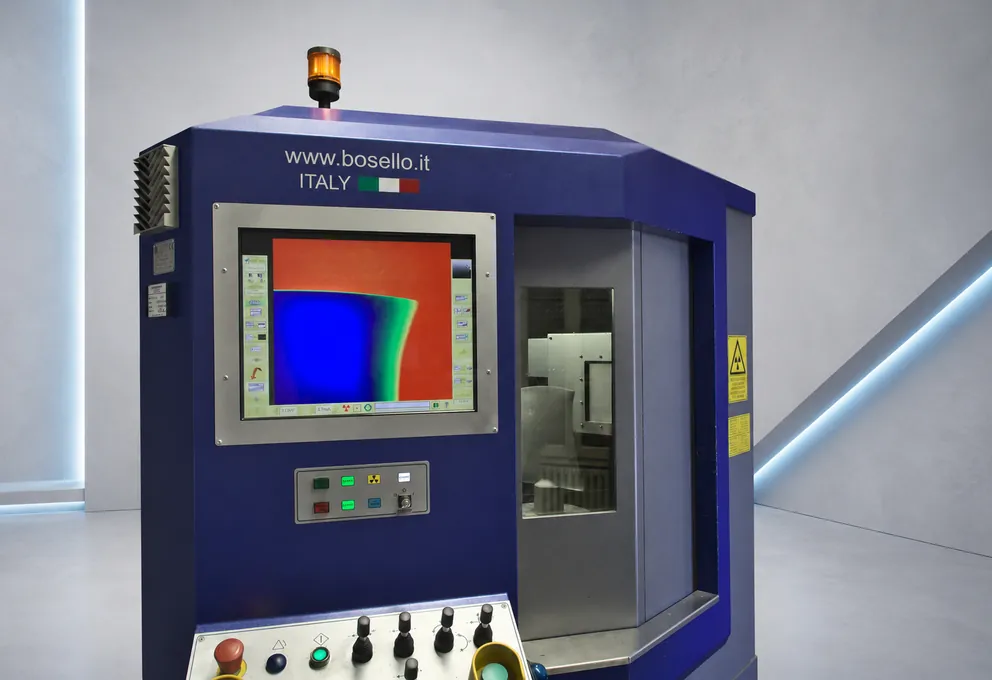
We use X-ray inspection to analyze casting quality and detect any internal defects: an inspection that provides a complete structural view.
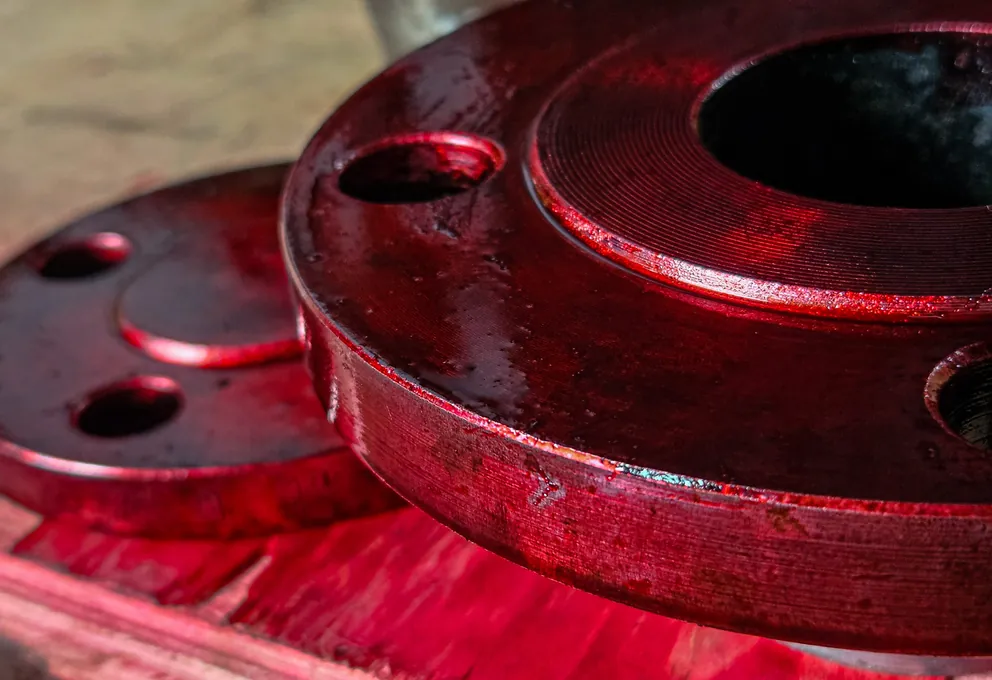
The penetrant testing method detects surface discontinuities, such as cracks or porosity, with a high degree of accuracy, even on complex geometries and porous materials.
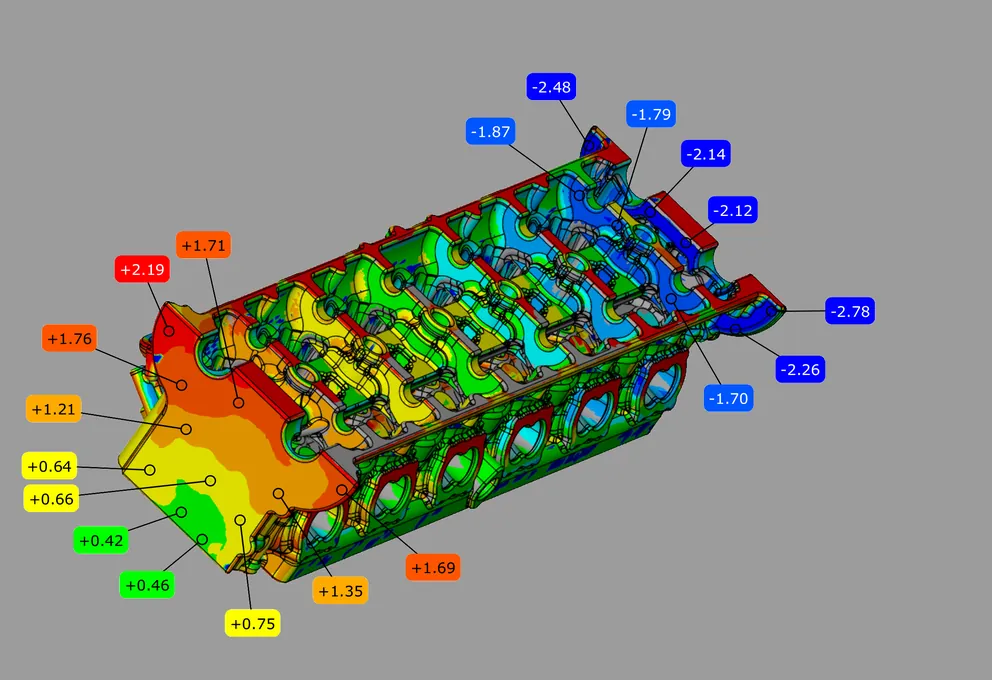
3D dimensional inspection verifies that the part conforms to the model, detecting deviations and ensuring design accuracy.
Send us your brief, and we'll develop it together.